Betekenis besmetting
smet·ting Verbuigingen: besmettingen (meerv.) overdracht van een ziekte op iemand anders Voorbeelden: 'besmetting met het vogelgriepvirus', 'hiv-besmetting', 'maatregelen tegen besmetting' Synoniem: infectie Synoniemen: aansteken besmet besmetten infectie. Er zijn verschillende manieren waarop een besmetting met een infectieziekte plaatsvindt. Dat kan door direct en indirect contact. Bij direct contact moet u denken aan: niezen, hoesten (o.a. griep, tuberculose); huidcontact (o.a. schurft / krentenbaard); seksueel contact (o.a. chlamydia/gonorroe); van moeder op kind (o.a. hepatitis B). Betekenis besmetting Selfstandige naamwoord: besmetting Meervoud: besmettings, besmettinge Verkleinwoord: besmettinkie Meervoud van verkleining: besmettinkies Betekenis: • Die handeling of resultaat van besmet. Blootstelling aan 'n siektekiem of radio-aktiewe isotoop. Gebruik: • Die huisvlieg dra kieme oor en is 'n groot bron van besmetting.


Ziekte overdracht Horizontale overdracht en verticale overdracht zijn twee manieren infectie optreedt. Infectieziekten worden meestal veroorzaakt door virussen, bacteriën en schimmels. Prionen, zoals in het geval van gekkekoeienziekte of Creutzfeld-Jakob (CJD), zijn een andere, minder voorkomende oorzaak.


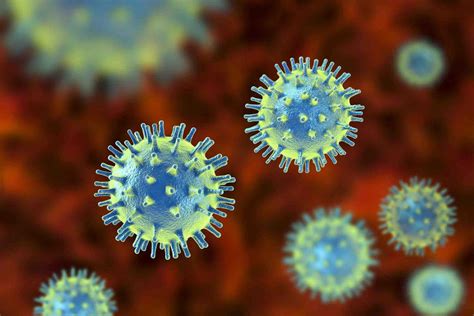
Infectie
An infection is the invasion of tissues by pathogens, their multiplication, and the reaction of host tissues to the infectious agent and the toxins they produce. [1] An infectious disease, also known as a transmissible disease or communicable disease, is an illness resulting from an infection. An infection is the invasion of the body by a disease-causing organism called a ions can be caused by a wide range of pathogens, including bacteria, viruses, fungi, and parasites, and can develop in any organ system of the body. Infectie See also Infectious disease Overview. An infection is the detrimental colonization of a host organism by a foreign an infection, the infecting organism seeks to utilize the host's resources to multiply (usually at the expense of the host).Ziekte overdracht
Ziekte-overdracht of -transmissie is het overbrengen van een infectieziekte van een besmet individu naar een vatbaar individu. Verticale overdracht dekt alleen die gevallen waarin een ouder een ziekte door voortplanting aan haar kind overdraagt. Het kind kan tijdens zijn of haar tijd in de baarmoeder besmet raken, tijdens het arbeidsproces van de vaginale wand, of via moedermelk.Hygiëne
Hygiene is a practice [3] related to lifestyle, cleanliness, health, and medicine and everyday life, hygiene practices are preventive measures that reduce the incidence and spread of germs leading to disease. Hygiene (practices that improve cleanliness) is a core prevention strategy to lower risk from respiratory viruses. Core prevention strategies are important steps you can take to protect yourself and others from respiratory viruses.- Hygiëne Hygiëne is een verzamelnaam voor alle handelingen die ervoor zorgen dat ziekteverwekkers zich zo min mogelijk verspreiden. Op deze pagina kun je lezen wat hygiëne is, waarom hygiëne belangrijk is en welke maatregelen je zelf kunt nemen om goede hygiëne uit te voeren.